Tape Compressor: analog-style dynamics with tape weight
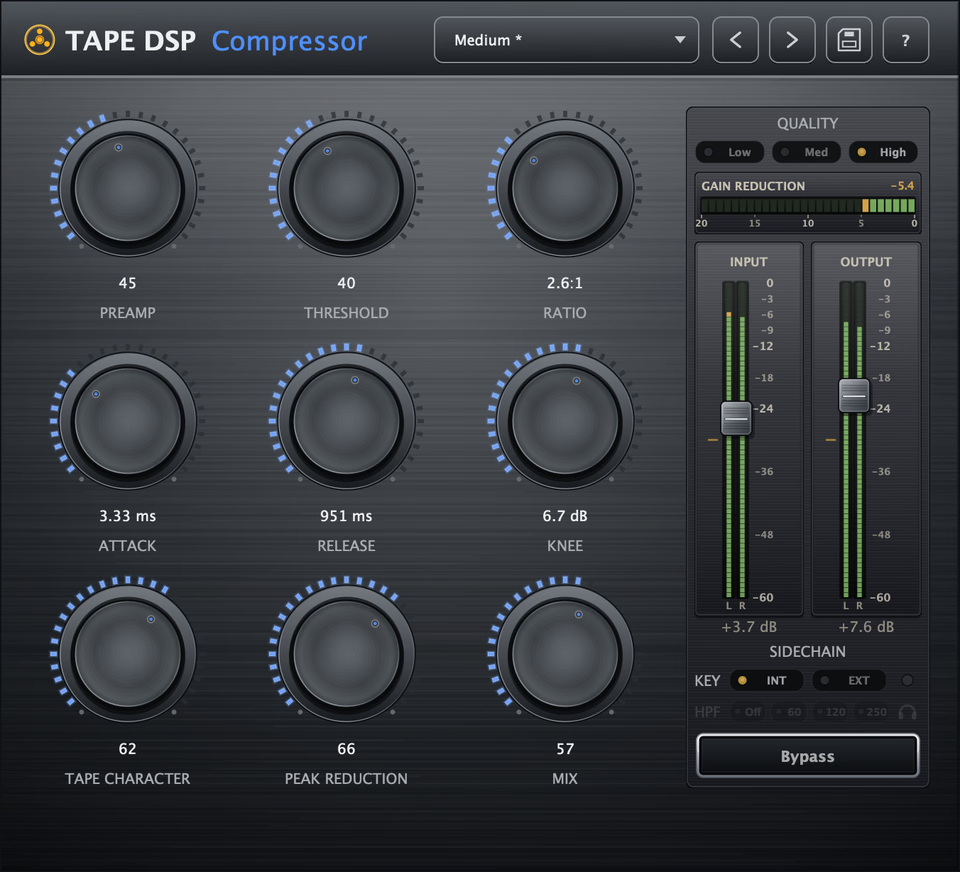
Smooth out peaks, pull a track forward, or glue a bus together without flattening the life out of it. Shape the response with threshold, ratio, attack, release, knee and parallel mix. Free to use; Expansion adds Preamp, Tape Character and Peak Reduction.

From gentle glue to firm peak control
Threshold
Set the level where compression begins, from light control to deeper gain reduction.
Ratio
Set how strongly the signal is compressed once it crosses the threshold.
Attack
Set how quickly the compressor reacts, from punch-preserving transients to tighter control.
Release
Set how quickly gain reduction recovers after the signal falls back.
Knee
Soften the transition into compression for smoother, less obvious gain reduction.
Mix
Blend dry and compressed signal for parallel compression without losing transient punch.
Preamp
Drive a tube/transformer-style input and tape stage before compression (Expansion).
Tape Character
Choose the tape formulation and how much color sits behind the gain reduction (Expansion).
Peak Reduction
Add a faster FET stage after the opto section for extra punch and peak control (Expansion).
What is a tape-style compressor?
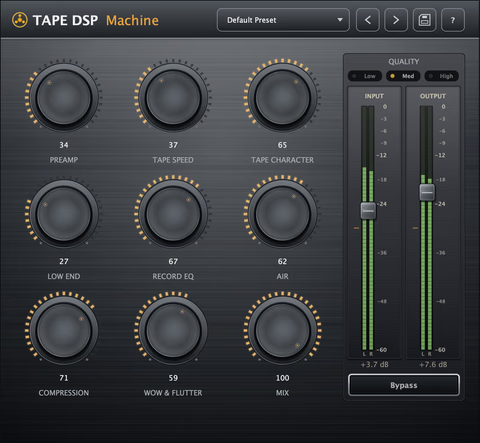
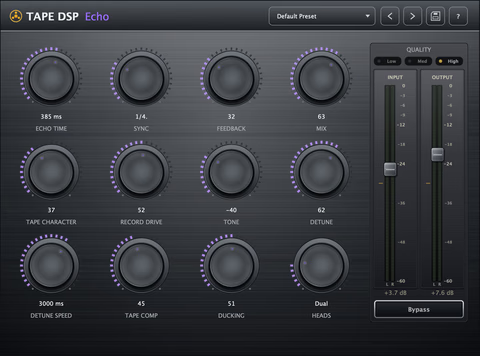
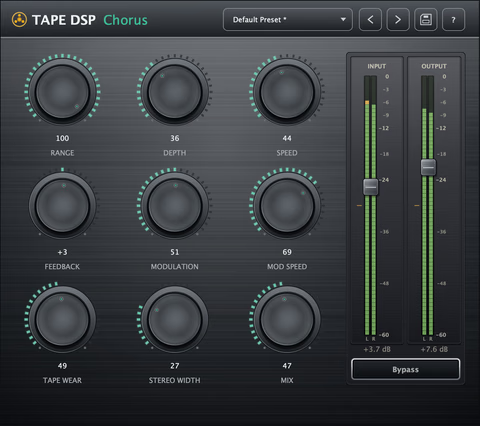
Tape Compressor is a real-time dynamics plugin for VST3, AU and LV2 on Windows, macOS and Linux. The core compressor gives you familiar threshold, ratio, attack, release, knee and parallel mix controls, but it is voiced for smooth, musical leveling rather than invisible gain control. With Expansion, Preamp and Tape Character add analog color before compression, while Peak Reduction adds a faster FET stage after the opto section. It installs with Tape Machine and Tape Echo.
What do the controls do?
- Threshold: set the level where compression begins, from light control to deeper gain reduction.
- Ratio: set how strongly the signal is compressed once it crosses the threshold.
- Attack: set how quickly the compressor reacts, from punch-preserving transients to tighter control.
- Release: set how quickly gain reduction recovers after the signal falls back.
- Knee: soften the transition into compression for smoother, less obvious gain reduction.
- Mix: blend dry and compressed signal for parallel compression without losing transient punch.
- Preamp: drive a tube/transformer-style input and tape stage before compression (Expansion).
- Tape Character: choose the tape formulation and how much color sits behind the gain reduction (Expansion).
- Peak Reduction: add a faster FET stage after the opto section for extra punch and peak control (Expansion).
The gain-reduction meter shows how hard the compressor is working, while Mix lets you bring back dry transients when you want more punch.
What Expansion adds
The full compressor is free to use. The Expansion adds Preamp and Tape Character before compression, plus Peak Reduction after the opto stage for faster transient control. Download the plugins to try the core compressor in your DAW.
Want an offline tape render?
In your DAW
Use Tape Compressor in real time on tracks, buses and full mixes.
Tape DSP Studio
Use the online Tape Machine for an offline render with extra resolution and more export options.
Mix in the plugin. Open the online Tape Machine when you want to render the tape process offline.
More tape tools in the plugin pack
Tape Compressor FAQ
What does Expansion add?
Threshold, Ratio, Attack, Release, Knee and Mix are free to use. The optional Expansion permanently unlocks Preamp, Tape Character and Peak Reduction. There is no subscription.
What formats does it support?
VST3, Audio Unit (AU) and LV2 on Windows, macOS and Linux.
What does Peak Reduction do?
Peak Reduction is a faster FET stage after the optical compressor. Use it to catch transients and add punchier peak control on top of the smoother opto stage. It is part of the Expansion.
Can I use it on a mix bus?
Yes. Use moderate gain reduction, a slower Attack and the parallel Mix control for subtle bus glue, or push it harder on individual tracks when you want the compression to become part of the sound.