Tape plugins, saturation, and mix glue.
How tape behaves on vocals, drums and the mix bus, plus notes on the plugins, Online Tape Machine and Online Mastering.
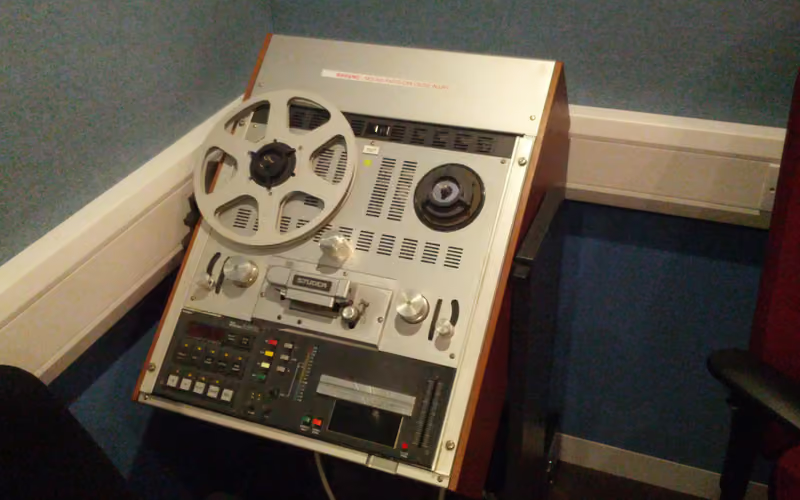
Reel-to-Reel Tape Emulation: How It Works and Why It Still Matters
Reel-to-reel machines shaped recorded music for decades. How modern emulation recreates that character, and why producers still reach for it.
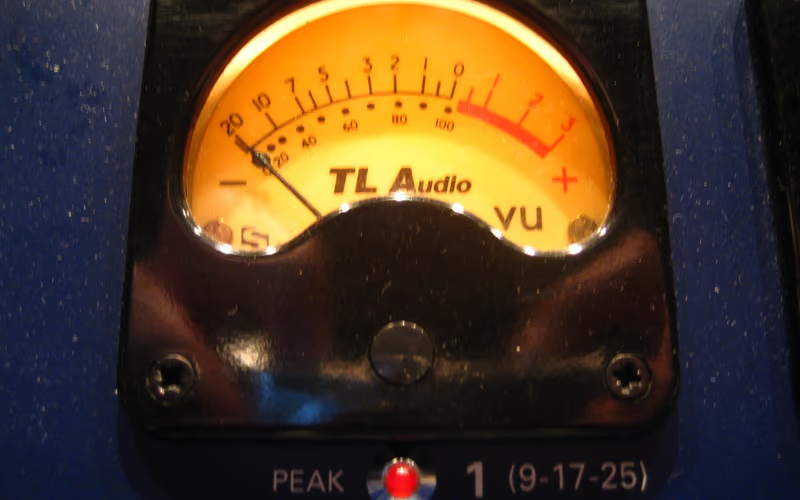
LUFS Explained: Loudness Targets for Spotify, Apple Music & YouTube
LUFS is how streaming platforms measure loudness. Get it right and the master translates. Miss it and the platform turns you down. The targets that matter.
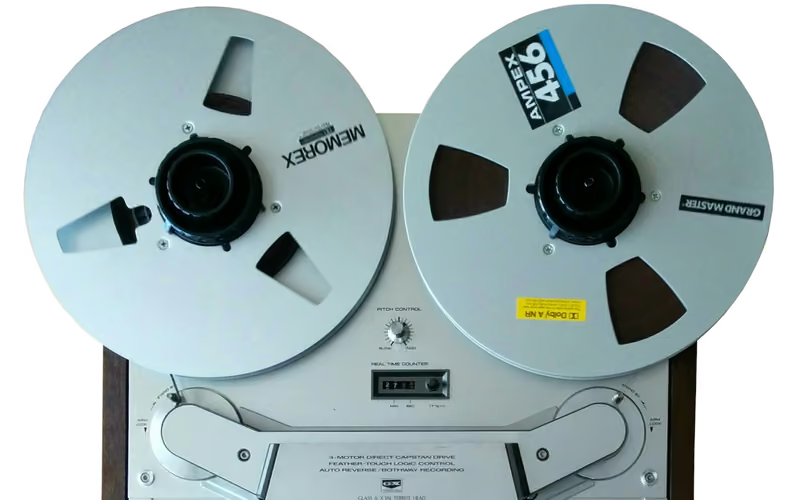
What Is Wow and Flutter? Tape Movement Explained
Wow and flutter are the tiny speed variations that give tape its organic movement. What they are, what they sound like, and how to use them.
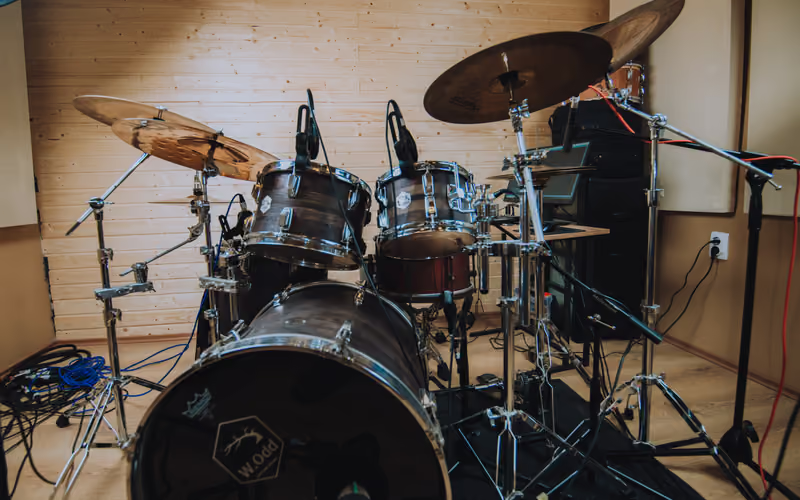
How to Make Drums Punch and Glue With Tape
Programmed beats often sound stiff and separate. Tape Machine or Tape Compressor on the drum bus adds punch and glue. Studio is optional for a browser print.
How to Add Analog Warmth to Vocals With Tape
Thin, brittle, or sibilant vocals are a common home-studio problem. Put Tape Machine on the vocal, or print the same character in Studio if you are away from the DAW.
Tape Plugin vs Browser Tape: When to Use Each
Tape Machine, Tape Compressor, and Tape Echo are the product. When a browser print still helps, and when the plugins win.
Studio Mastering: Automatic Mastering for Streaming Platforms
Studio Mastering reads your mix and applies adaptive EQ, dynamics, and loudness for a streaming-ready, true-peak safe bounce — Spotify, YouTube, Apple Music, and the rest.
Free VST Plugins for a Warm Analog Sound (And How to Use Them)
Warmth comes from saturation, gentle compression, and tone shaping. How to build a warm analog sound with free VST plugins, and where to start.
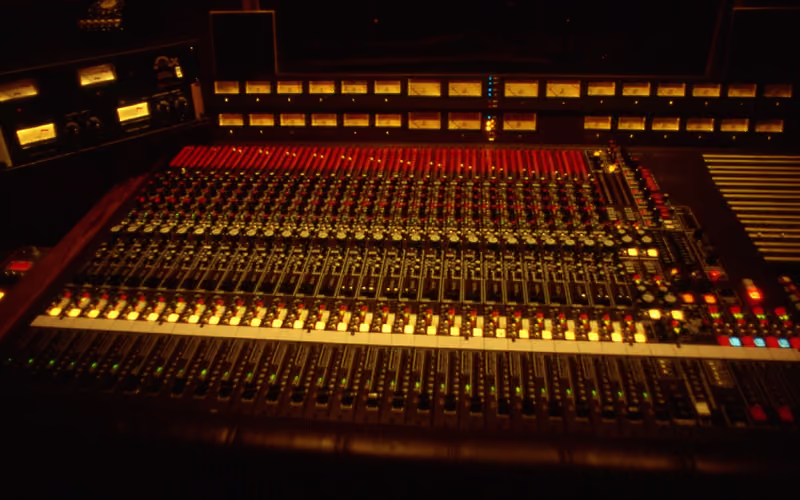
Vintage Character, Explained: How to Get That Analog Sound
What makes a recording sound vintage — saturation, wow and flutter, bandwidth limits, and natural compression — and how to add those qualities to a modern session.
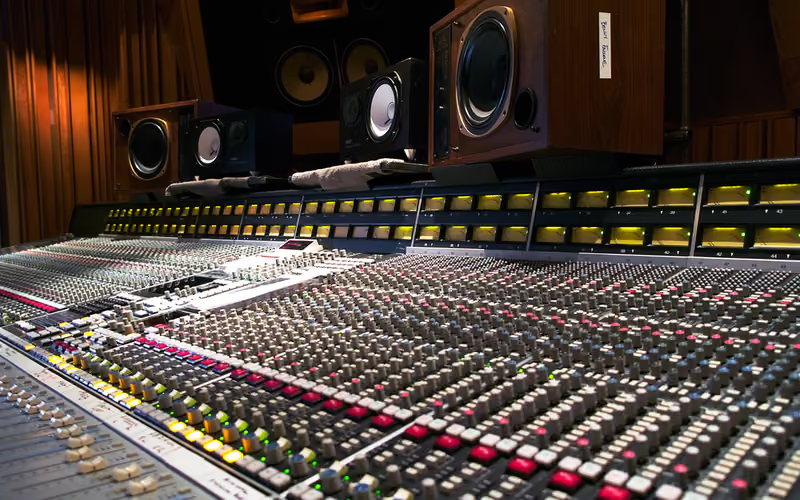
How to Glue a Mix: Bus Compression, Tape & Shared Space
Mix glue is the sense that every track belongs to one recording. What creates it — bus compression, saturation, and shared space — and an order that works.
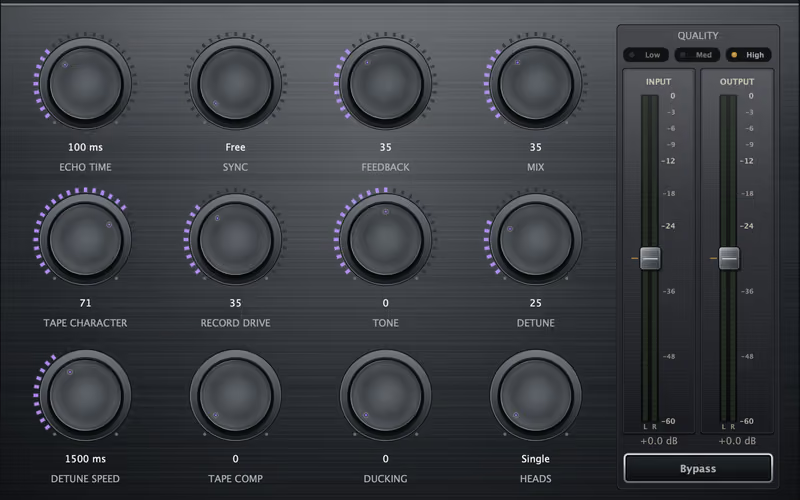
How to Use Tape DSP Echo: Slapback, Dub & Classic Tape Delay Sounds
Feedback, record drive, detune, ducking and multi-head controls on Tape DSP Echo, with recipes for slapback, dub trails and tempo-synced echoes.
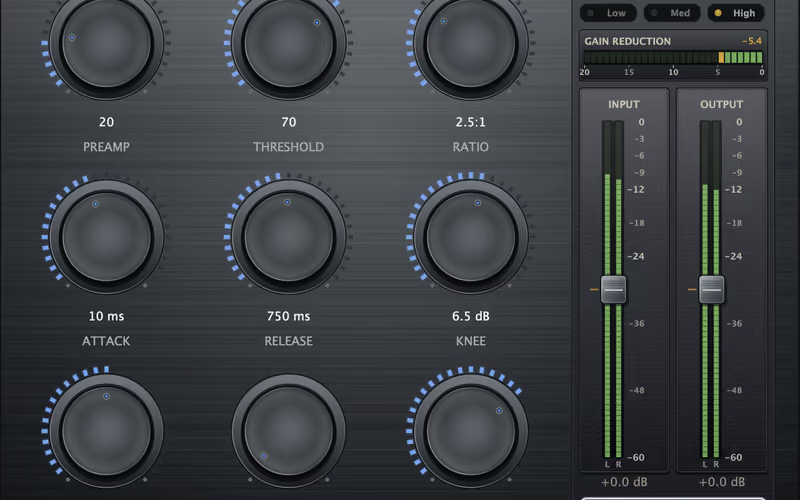
How to Use Tape DSP Compressor: Glue, Weight & Settings That Work
Threshold, Ratio, Attack, Release, Knee and Mix on Tape DSP Compressor, plus starting settings for drum buses, vocals, bass and full mixes.
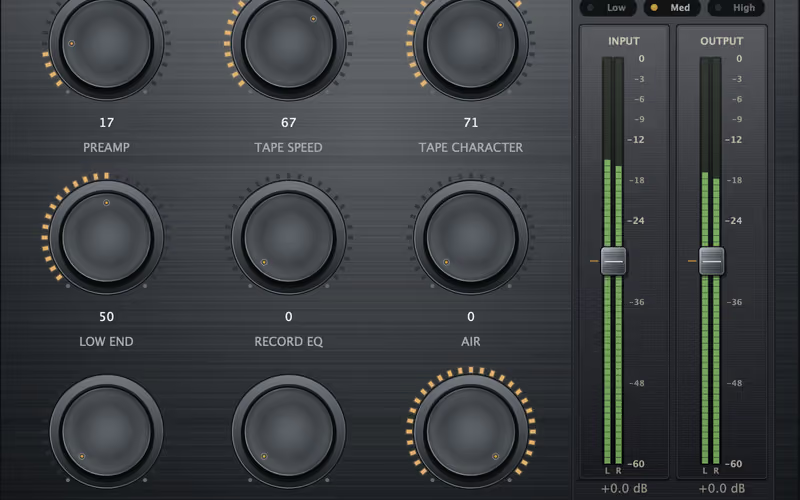
How to Use Tape DSP Machine: Settings & Tips for Real Tape Warmth
What each Tape DSP Machine control does, starting settings for tracks, buses and masters, and how to get analog warmth that still breathes.
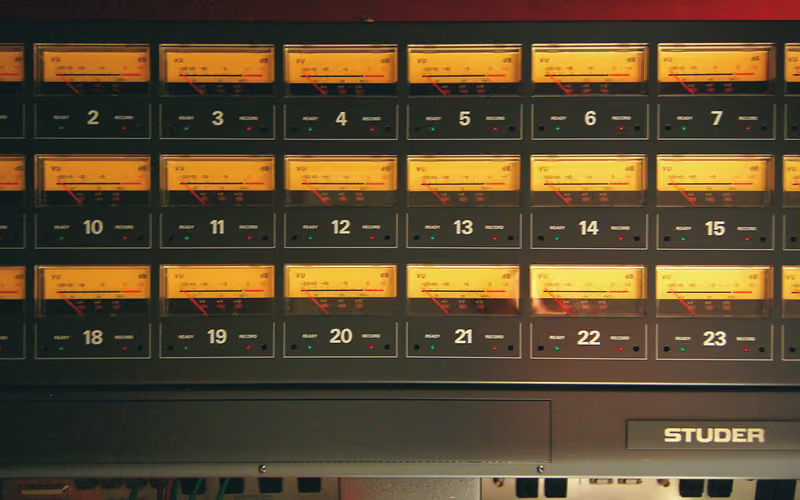
Best Tape Saturation Settings for Mastering
Safe starting points for mastering tape: drive, tape speed, compression, air, and output level — then adjust to the mix.

Why Oversampling Matters in Tape Saturation Plugins
Oversampling is a major reason some tape plugins sound cleaner than others. What it does, why nonlinear tape models need it, and when higher settings are worth the CPU.
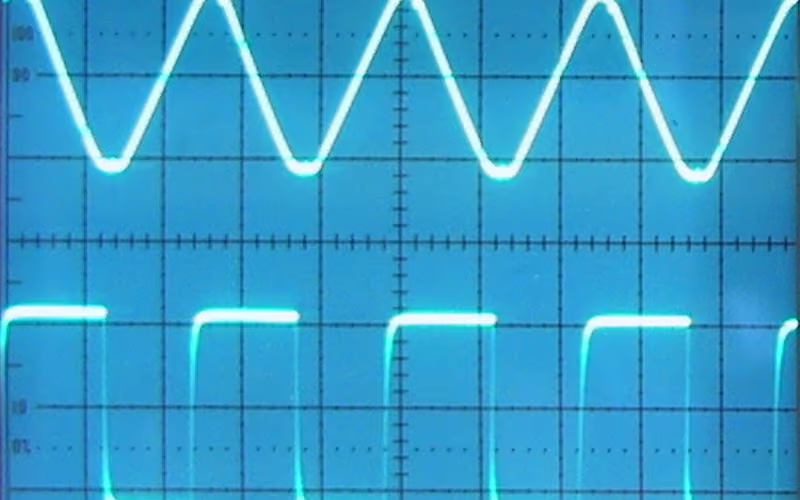
How Tape Bias Affects Sound: Warmth, Clarity, and Distortion
Tape bias is one of the hidden reasons tape sounds smooth. What bias does, and why it matters in tape emulation.
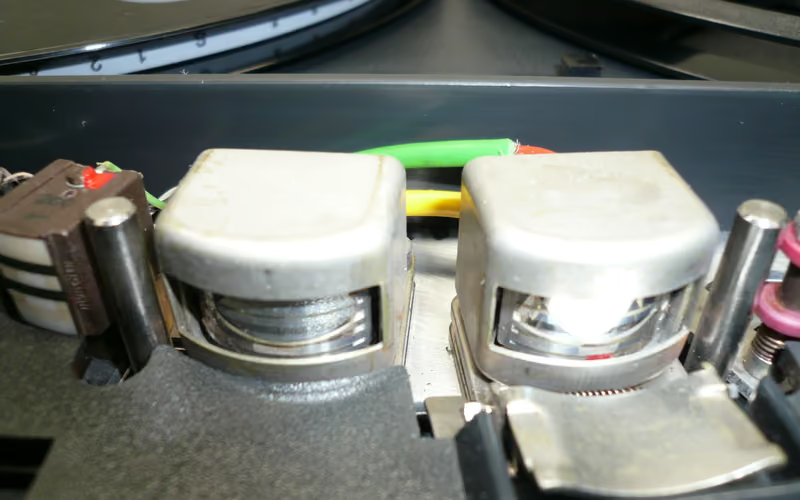
What Is Tape Head Bump, and Should You Use It in Mastering?
Head bump can make low end feel bigger. It can also crowd a master. What it is, how tape speed affects it, and when to use it.
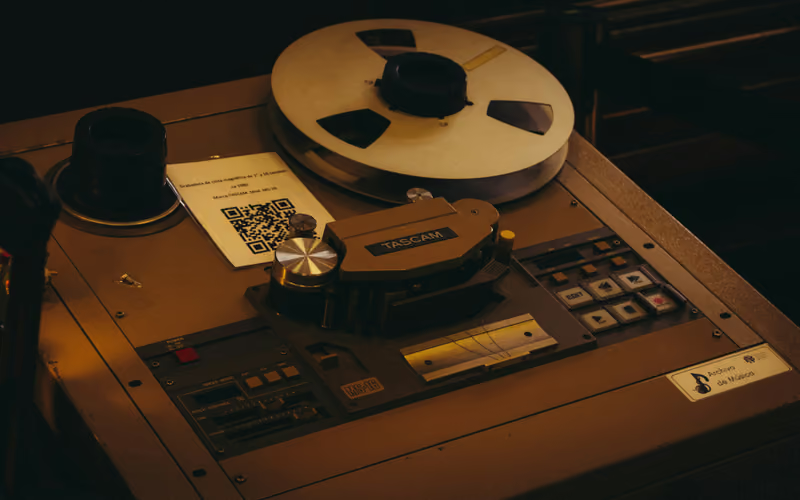
How to Use Tape on the Master Bus Without Making It Dull
Tape can smooth harshness. Too much can dull a master. How to keep clarity while adding analog warmth and glue.
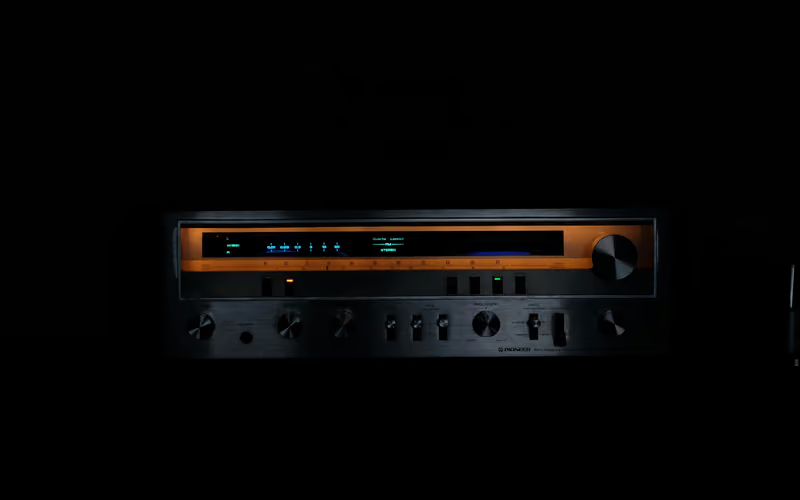
Tape Saturation vs Tube Saturation for Mastering
Tape and tube saturation both add analog color. They emphasize different harmonics, dynamics, and frequency behavior. How to choose.
Tape Saturation vs Soft Clipping in Mastering
Tape saturation and soft clipping both control peaks, but they sound and behave differently. Learn when to use tape, clipping, or both in mastering.
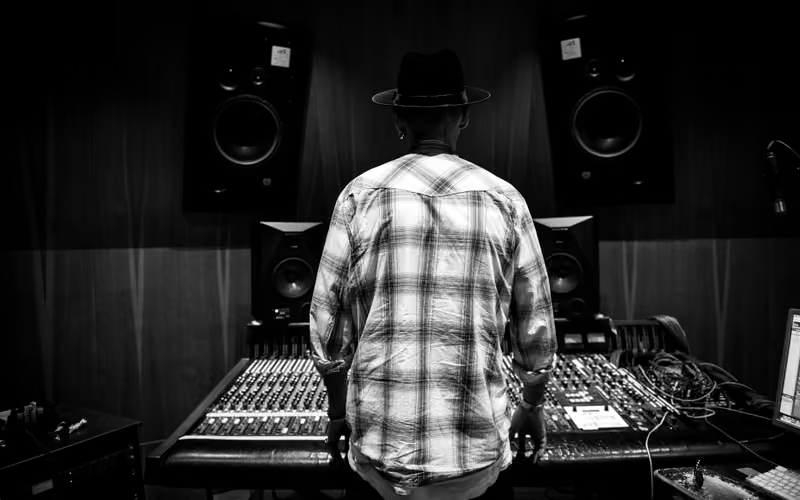
Do You Need Hardware Tape for Professional Mastering?
Hardware tape is not required for a professional master. What matters is translation, tone, controlled loudness, and a repeatable workflow.
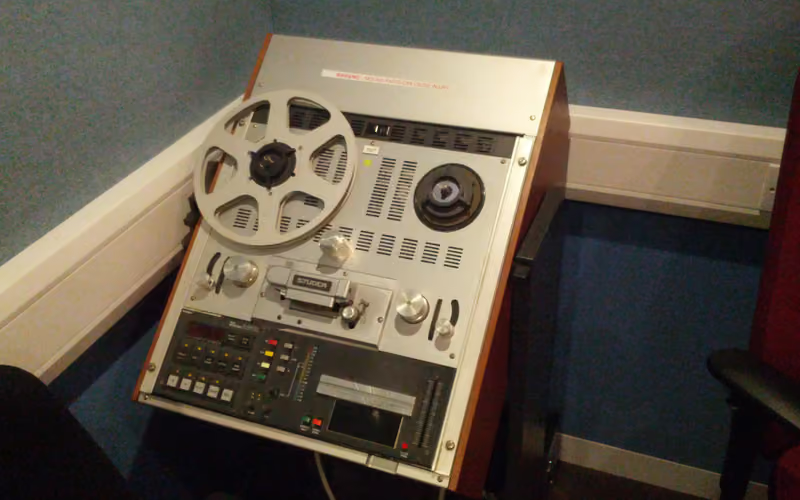
Tape Machine vs Tape Plugin for Mastering: What Actually Matters?
A real tape machine is inspiring. A good tape plugin or online engine is often more practical. What matters for mastering quality and workflow.
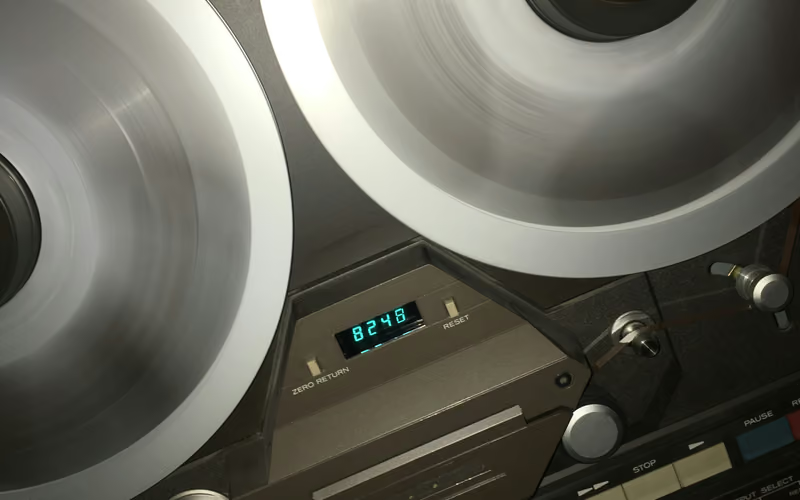
15 IPS vs 30 IPS for Mastering: Which Tape Speed Should You Use?
15 IPS and 30 IPS change low end, head bump, transient feel, and high-frequency extension. Which tape speed to choose for mastering.
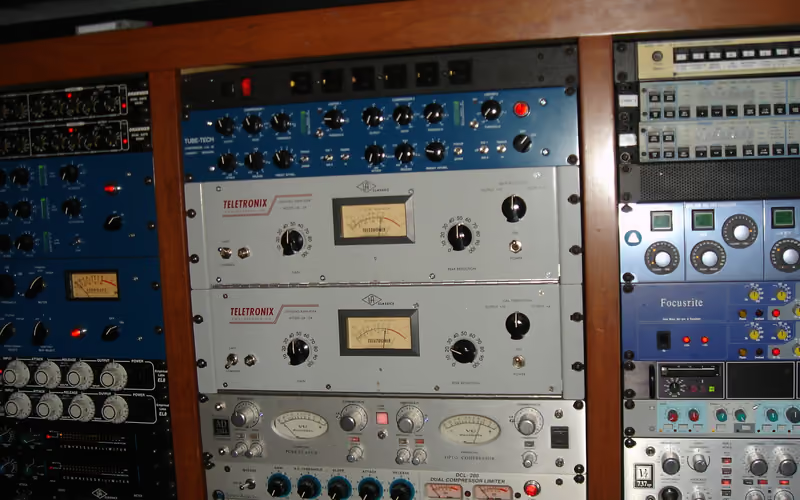
What Does Tape Saturation Do in Mastering?
Tape saturation in mastering adds harmonic density, soft compression, smoother highs, and perceived loudness. What changes, and how to keep it tasteful.
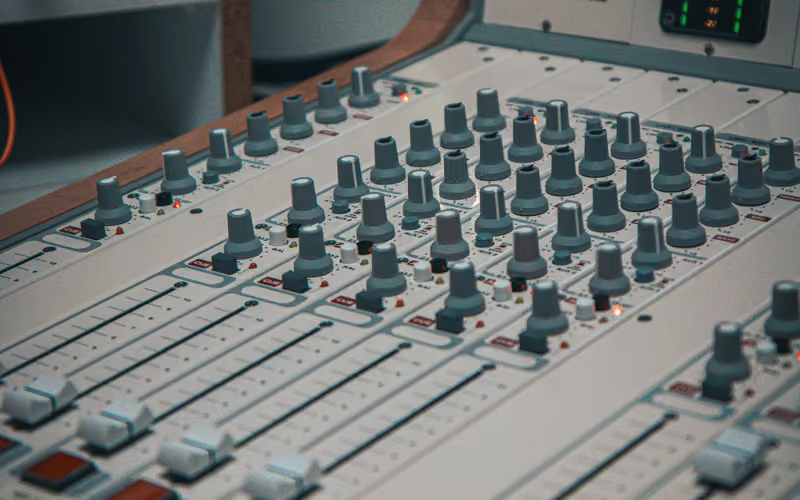
Analog Tape Mastering Chain Explained: Where Tape Fits
Where analog tape belongs in a mastering chain, what it changes, and how to get the same glue and tone in software.
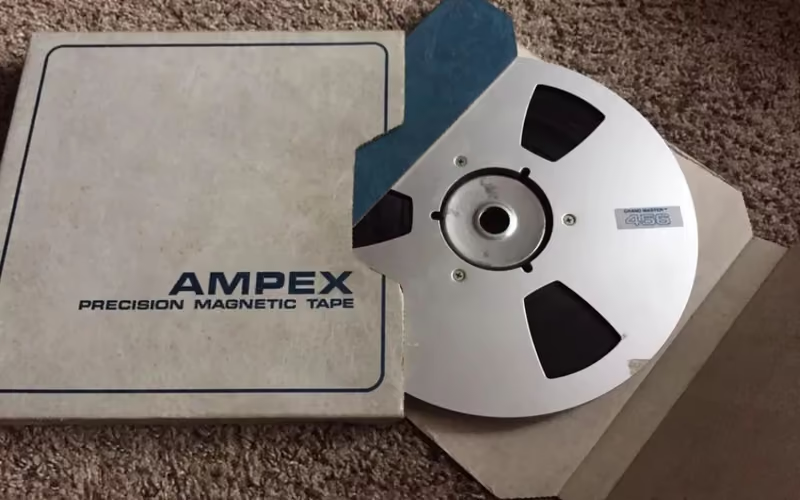
What Is Tape Tone?
Tape tone is the warmth, glue, and soft compression you hear after audio has been recorded to analog tape. How it works, and how to put it on your own tracks.
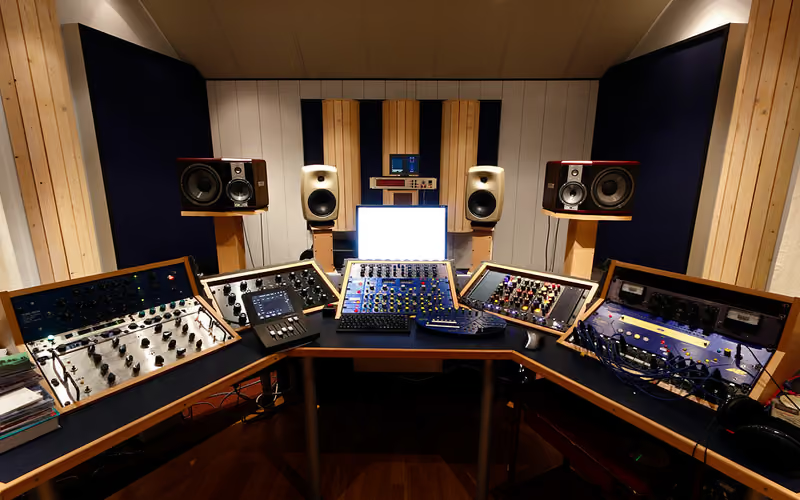
How to Master a Song Online With Tape DSP
Studio Mastering reads the finished mix and delivers a streaming-ready bounce. Print tape in the online Tape Machine first, or master on its own.
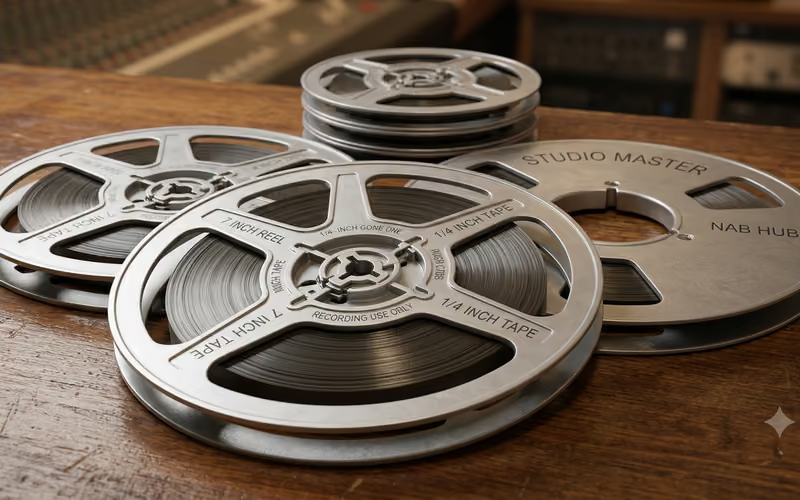
How to Add Analog Tape Tone With Tape DSP
Print analog tape tone in the online Tape Machine: upload a mix, A/B at matched level, export a WAV. The plugin pack does the same character live in your DAW.
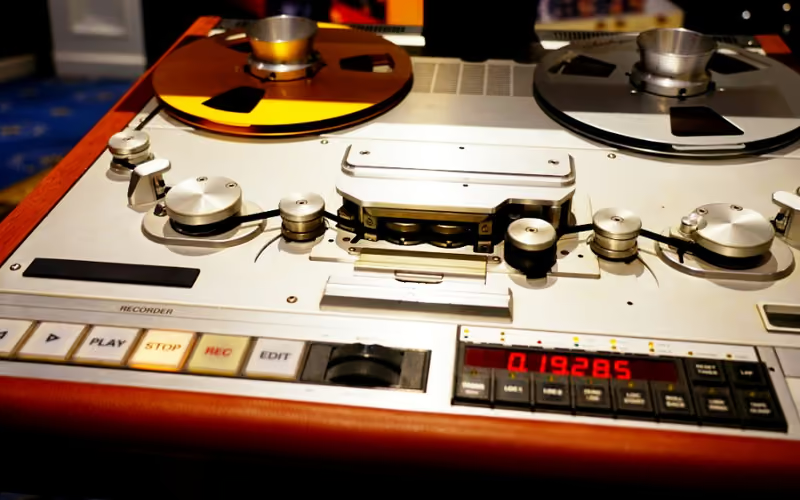
Taming Digital Harshness with Analog Tape
Modern productions can sound clinical and harsh. Analog tape softens that edge — smoother highs, rounder transients, and glue — inside an all-digital workflow.

What Tape DSP Actually Does to Your Audio
Under the hood of the modeled reel-to-reel engine: magnetic saturation, head bump, wow and flutter, tape compression, oversampling, matched A/B, and WAV export.

Tape Saturation for Home Studio Musicians
Tape saturation belongs in a bedroom session as much as a mastering room. Where to put it on vocals, drums, bass, and the mix — and how to start.