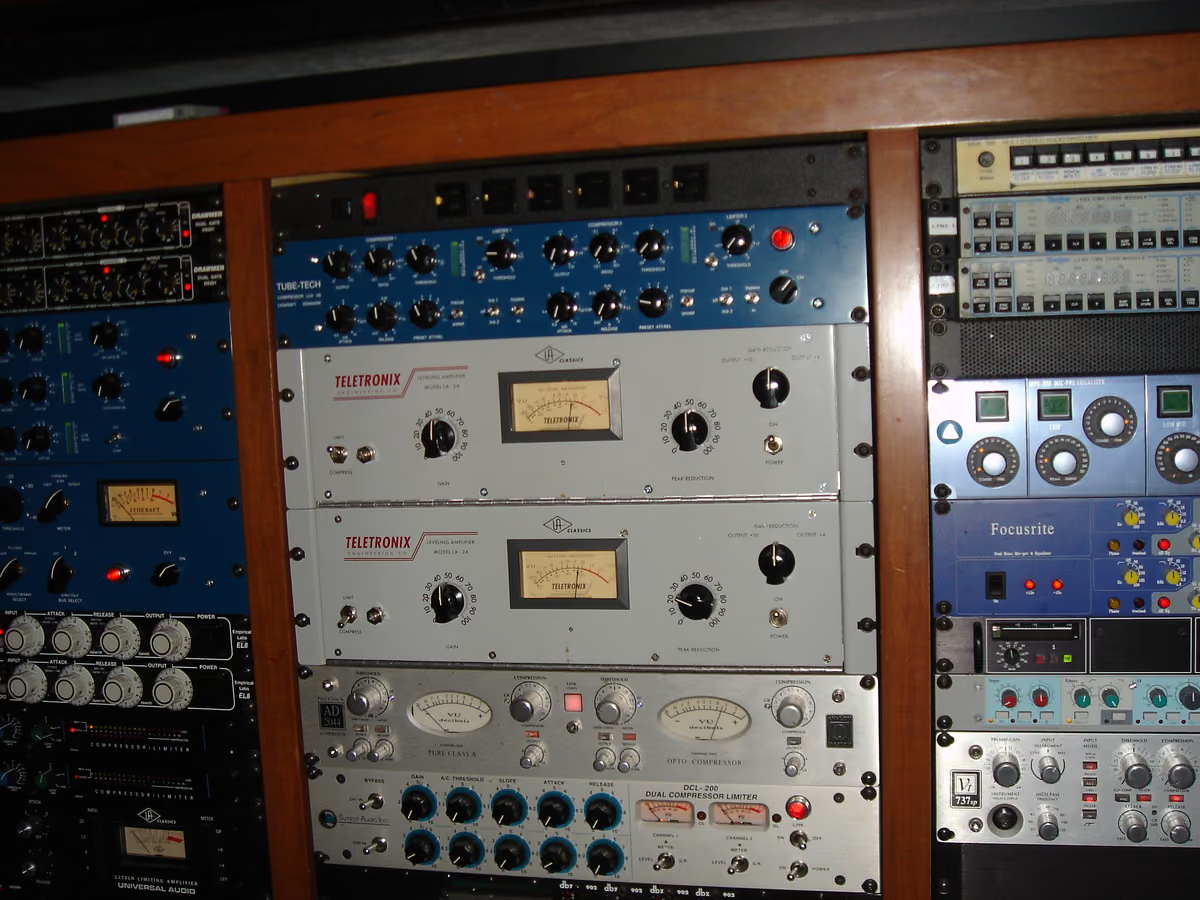
Tape saturation in mastering is a quiet finishing stage. It adds harmonics, gently compresses peaks, smooths brittle highs, and can make a mix feel louder and more complete. Done well, the listener hears a better record.
Does tape saturation make a master louder?
Tape can make a master feel louder at the same LUFS because added harmonics increase density and audibility. It also rounds short peaks, which gives the final limiter a slightly easier job. That does not mean tape replaces loudness control, but it can help a master feel fuller before limiting.
Does tape saturation compress the mix?
Yes — and it behaves differently from a normal compressor. Tape compression is signal-dependent and gradual. It softens peaks as the magnetic medium saturates, especially when you drive the input. The result is glue and density. Basics: what tape saturation is.
Hear it before you read more
Download the pack, or play the before and after samples.
Why does tape smooth harsh highs?
Real tape has finite high-frequency headroom and playback loss. When modeled carefully, that behavior rounds aggressive top end and makes cymbals, vocals, and synths less brittle. The mistake is pushing too far: too much tape can make a master dull. Use level-matched bypass and stop when harshness improves but air remains.
What settings are safest for mastering?
Start with low to moderate drive, light compression, and a tape speed that supports the song's low end. For dense modern music, 30 IPS often keeps the bottom tight. For thinner mixes, 15 IPS can add weight. If the master loses too much top end, reduce drive before adding bright EQ.
FAQ
Can tape saturation ruin a master?
Yes, if it is overdriven or used on an already dark, crowded mix. Use quiet settings and compare at matched level so loudness does not flatter the A/B.
Is tape saturation the same as distortion?
It is a type of saturation, gentler than obvious distortion. In mastering, the goal is harmonic density and glue.
Want to hear the difference on your own audio? Download the pack, or hear your finished mix mastered through tape in Tape Mastering, level-matched against the original.
Next step
Download the pack. When a song is done, master it through tape with Tape Mastering.